Join us on a journey to uncover the secrets of marine invertebrate life
Most of the seafood we see at markets consists of fully grown adults. For example, when you hear the word "shrimp," you can probably picture its general shape and size. However, very few people likely know what they look like, how big they are, how they swim, or what they eat during their larval and juvenile stages.
Let us deepen our connection to these marine animals that give us boundless blessings, and explore their mysterious ways of life together.
Motto
Interpreting the Secrets of the Ocean for a Harmonious Future.
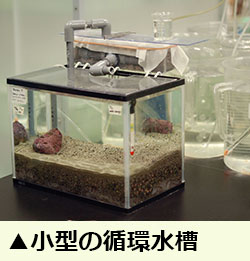 When people think of "hatchery production" or "aquaculture," they often picture mass-producing fish in massive tanks stretching across vast facilities. However, those large-scale operations represent the final stage of a long journey. Behind those technologies lie years, or even decades, of foundational research.
Basic research in aquaculture begins on a small scale—placing a few organisms into small tanks and meticulously observing their behavior. It also involves fieldwork to study how they live in their natural habitats. Through patient, continuous observation, these organisms slowly begin to reveal their secrets to us.
By listening to those voices and designing production methods that benefit both the organisms and their environment (as well as ourselves) we can truly begin to realize sustainable aquaculture technologies. Researchers in this field play a vital role, acting as interpreters who bridge the gap between aquatic life and human society.
If you are a student interested in studying marine invertebrates, please feel free to visit our group. Whether you are an undergraduate (first-year students are more than welcome!) or a graduate student, we welcome anyone ready to take their first step into marine biology.
Expected Topics for Students
Our laboratory is currently seeking graduate students to join us in studying the biology of marine invertebrates. Using diverse approaches including taxonomy, reproductive ecology, physiology, and behavioral ecology, we aim to understand the life-history strategies and evolutionary ecological traits of various species, with a particular focus on crustaceans and cnidarians. We bridge the gap between theory and practice by leveraging this fundamental knowledge to advance applied sciences like aquaculture.
- Feeding Ecology of Spiny and Slipper Lobster Larvae / Juveniles
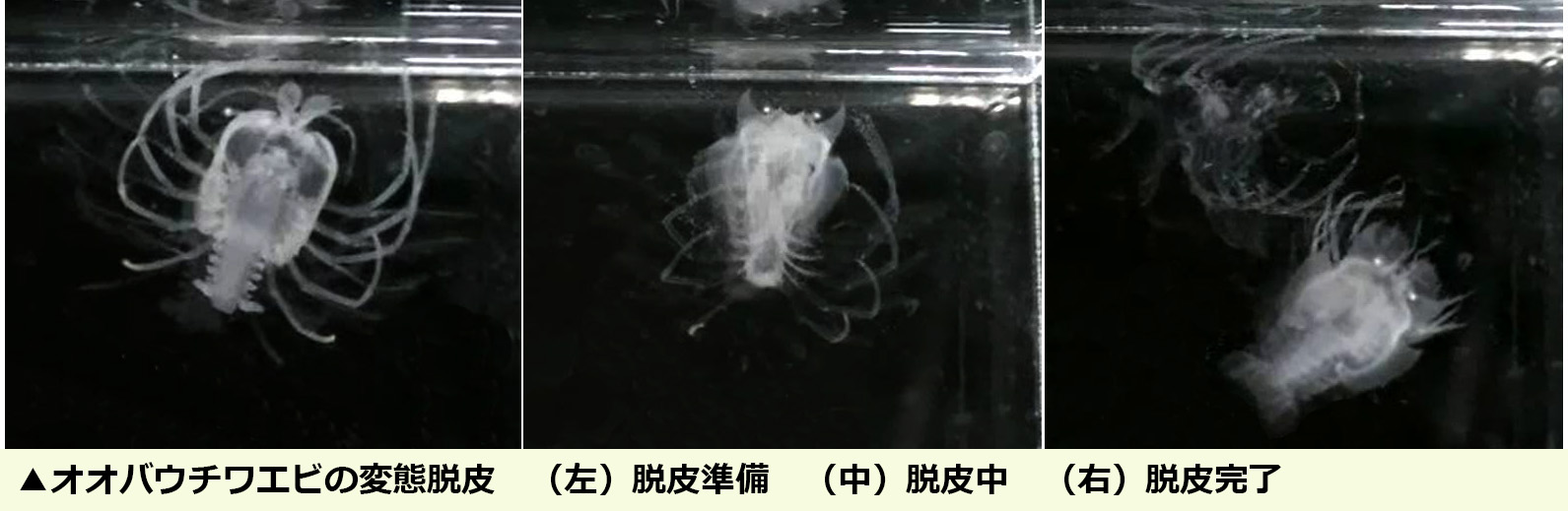
- Molting and Metamorphosis in Decapod Larvae
- Taxonomy of Marine Invertebrate Larvae Collected in the Field
- Symbiosis Between Gelatinous Zooplankton and Invertebrates
- Biochemical Studies of Gelatinous Zooplankton
- Biology of Dendrogaster, a Parasite of Seastar